Squeaking brakes mean your vehicle needs attention immediately. High pitch sounds occur when metal parts rub together or when friction surfaces wear thin. Drivers in Kenosha WI often notice these noises during sudden temperature shifts or after humid nights near Lake Michigan. Ignoring these alerts leads to expensive system damage and safety hazards on the road.
Worn Brake Pads and the Metal Wear Indicator
Brake pads have a built-in safety feature called a wear indicator. This small metal tab attaches to the backing plate of the pad structure. When the friction material drops below a safe thickness, this tab touches the metal rotor surface. This intentional contact creates a constant high-pitched squeal whenever the vehicle moves.
The sound often disappears when you push the pedal hard, but it returns immediately when you release pressure. Mechanics design this component to alert drivers before total component failure happens. Waiting too long past this warning scratches the rotors. Deep gouges mean you must replace the entire rotor instead of just the pad set.
Thickness matters because thin pads cannot absorb heat. High temperatures cause the remaining material to crumble during hard stops. You should check your pads through the wheel spokes every month. Look for at least a quarter inch of friction material. Anything less means you need new pads immediately.
Moisture and Rust Growth on Rotors
High humidity levels cause a thin layer of rust to form on brake rotors overnight. This moisture accumulation happens quickly in coastal areas and lake regions. When you start your car in the morning, the pads scrape against this rough rust layer. This action produces a loud squeaking or grinding noise during your first few stops.
The sound usually vanishes after a mile of driving because the pads clean the rotor surface completely. This temporary noise does not mean your braking system has a defect. It represents a normal environmental reaction. Clean rotors look shiny and smooth after a brief drive down the street.
Persistent morning noise indicates a deeper issue with caliper movement. Calipers must retract cleanly to let the pad clear the rotor face. If a caliper sticks, the pad drags constantly against the damp metal surface. This constant dragging creates heat and causes permanent component damage.
Glazed Rotors and Friction Overheating
Brake glazing happens when extreme heat transforms the smooth friction material into a hard surface. Repeated hard stopping or riding the brake pedal down steep hills causes this temperature spike. The pad material melts slightly and leaves a glassy coating on the rotor face. This slick barrier prevents the pads from gripping the metal correctly.
The hardened surfaces rub together without proper friction, which creates a sharp squealing sound. Glazed systems require much more physical distance to stop the vehicle safely. You can easily spot this condition by looking at the rotor body. A shiny, mirror-like appearance reveals severe glazing.
Fixing this problem involves resurfacing the metal or replacing the parts entirely. Technicians use specialized sanders to scuff the glassy glaze off the components. They also replace the damaged pads with fresh material. Proper driving habits help prevent this heat buildup from returning later.
Debris Captured in the Caliper Assembly
Road hazards like small rocks, sand, and twigs can lodge inside the braking system. This debris enters the small gap between the pad and the rotor during daily driving. When the wheel spins, the trapped object scrapes hard against the moving metal parts. This produces a loud, continuous screeching sound that matches the speed of your tires.
The noise persists whether you press the brake pedal or accelerate down the highway. This trapped material scores deep lines into the smooth rotor face over time. These grooves reduce the total stopping power of your vehicle. Drivers must remove the foreign object quickly to avoid permanent damage.
Removing the wheel allows for a clear view of the caliper body. A technician uses targeted air pressure or specialized cleaners to dislodge the grit safely. Regular cleaning keeps the moving parts clear of road debris. This maintenance stops annoying noises before they ruin expensive components.
Lack of Proper Lubrication on Contact Points
Brake assemblies contain multiple moving metal parts that slide against each other. Caliper pins, clips, and backing plates require high-temperature grease to move smoothly. Over time, road salt and heavy rain wash away this protective lubricating layer. Dry metal contact points vibrate rapidly whenever you apply the brakes.
This high frequency vibration translates into a loud squeaking noise inside the cabin. The sound occurs because the metal back of the pad rattles against the caliper housing. Mechanics apply a specific silicone grease to these contact zones during routine service. This grease dampens the movement and stops the noise completely.
Never apply regular chassis grease or spray lubricants to your braking system. Standard oils melt under high heat and ruin the friction pads. Special lubricants tolerate temperatures above five hundred degrees without running. Proper lubrication preserves the smooth movement of the entire assembly.
Inferior Brake Pad Materials and Cheap Compounds
Low-cost brake pads contain high amounts of hard metal pieces embedded in the friction compound. Manufacturers use large steel flakes to save money during production. These hard metal chunks rub directly against the steel rotor face during use. This design choice creates a loud squealing sound that lasts for the lifespan of the pad.
Premium pads utilize ceramic or advanced semi-metallic mixtures with smaller, softer particles. These materials distribute heat evenly and operate quietly under all driving conditions. Cheap options save money initially but cause continuous noise issues and rapid wear. The hard compounds also wear out your rotors much faster than premium alternatives.
Choosing quality parts cuts down on long-term vehicle maintenance expenses. Ceramic options generate very little dark dust on your clean wheels. They also maintain consistent stopping power during panic stops. Investing in quality components keeps your daily drive quiet and predictable.
Loose Braking Components and Caliper Vibration
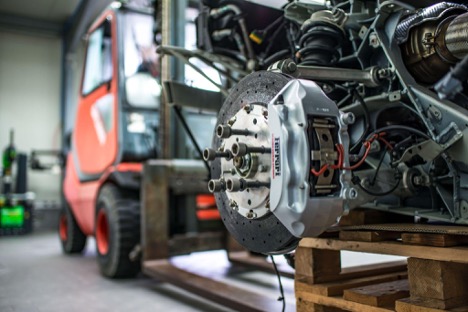
Brake calipers attach to the wheel hub assembly with heavy mounting bolts. Anti-rattle clips and metal shims keep the pads firmly in place within the bracket. If these clips lose their tension or fall off, the pads wobble inside the housing. This loose fit causes rapid vibration during deceleration.
The resulting noise sounds like a mixture of a squeak and a rhythmic rattle. Loose bolts threaten the structural integrity of your stopping system. A loose caliper can detach completely and jam inside the wheel spoke. This event causes an immediate loss of vehicle control and major wheel damage.
Technicians inspect every clip and bolt during a standard maintenance check. They replace worn hardware with new spring steel components to maintain tight tolerances. Tight parts eliminate harmonic vibrations and restore silent operation to the vehicle.
Real Dangers of Ignoring Brake Noises
Squeaking sounds serve as the first warning sign of system degradation. Ignoring these alerts allows small problems to grow into total component failure. When friction material disappears completely, the steel backing plate presses against the rotor face. This metal on metal contact causes severe grinding and immediate rotor destruction.
The heat from metal contact can warp the rotors and boil your brake fluid. Boiled fluid introduces air bubbles into the hydraulic lines of your vehicle. This condition creates a spongy pedal feeling and reduces your stopping power drastically. You might press the pedal completely to the floor without slowing down the car.
Regular inspections catch these wear patterns before they compromise your safety on busy highways. Replacing pads early preserves the expensive calipers and rotors from heat stress. Simple maintenance keeps your vehicle reliable and prevents dangerous roadside emergencies.
When to Visit a Kenosha WI Auto Repair Shop
Drivers should schedule a professional diagnostic appointment when brake noises persist for more than two days. If the squeak transforms into a deep grinding sound, stop driving the car immediately. Grinding indicates total pad depletion and active structural damage to the metal components.
- Pedal Pulsation: A vibrating pedal during braking indicates warped rotors that need immediate resurfacing.
- Vehicle Pulling: If the car drifts to one side when stopping, a caliper is likely stuck.
- Low Fluid Light: A dashboard warning light signifies a potential leak in the hydraulic lines.
Prompt attention from a car mechanic Kenosha WI prevents minor pad wear from damaging your entire axle system. Local driving conditions like winter road salt accelerate rust and component sticking. Professional assessment keeps your vehicle safe during seasonal weather changes.
What to Expect During a Professional Brake Inspection
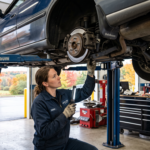
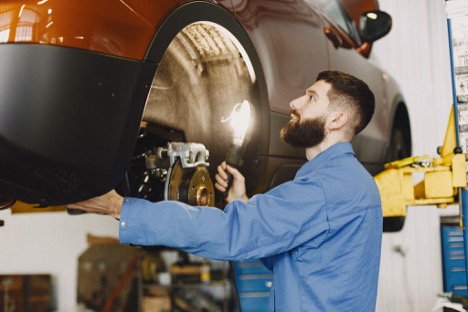
A certified technician starts an inspection by lifting the vehicle to remove the wheels. They measure the exact thickness of both the inner and outer pads using digital calipers. This step reveals uneven wear patterns caused by stuck slider pins or failing piston seals.
The mechanic inspects the rotor surfaces for deep grooves, heat spots, and rust ridges. They test the moisture content of the brake fluid inside the master cylinder reservoir. High moisture lowers the boiling point of the fluid and rusts internal steel lines. The technician also checks the rubber hoses for cracks or fluid leaks.
You receive a detailed report showing the exact condition of every braking component. This documentation helps you prioritize fixes based on safety risks and component wear. Clear inspections remove the guesswork from automotive maintenance.
FAQ
Why Do My New Brakes Squeak?
New pads can squeak if the mechanic did not clean the old rotor surfaces correctly. The fresh material rubs against old grooves and creates harmonic noise. Applying specialized break-in procedures fixes this minor issue.
Can I Spray Lubricant on My Squeaking Brakes?
Never spray standard oils, WD-40, or silicone sprays onto your brake pads or rotors. These products destroy the friction properties needed to stop your vehicle safely. Only use approved high-temperature grease on the specific metal contact points behind the pads.
How Many Miles Do Brake Pads Usually Last?
Most brake pads last between thirty thousand and seventy thousand miles before needing replacement. Your driving habits, vehicle weight, and local traffic conditions influence this lifespan. City driving with frequent stops wears down the material much faster than highway travel.
Is It Safe to Drive with Squeaking Brakes?
You can drive short distances with minor squeaking, but you must schedule an inspection soon. The noise indicates that your system is losing its efficiency and wearing down. Delaying the repair invites total component failure and higher service bills.
Scheduling Your Next Automotive Service
We provide comprehensive braking system diagnostics, pad replacements, and rotor resurfacing for all vehicle makes. Our certified technicians utilize advanced diagnostic gear to identify friction wear, caliper sticking, and fluid issues quickly. We install premium parts to eliminate irritating noises and restore dependable stopping power. Contact Moreno Auto Service & Repair today to book your professional brake inspection.