As temperatures drop across southeastern Wisconsin throughout October, preparing your vehicle for freezing mornings and unpredictable lake-effect weather is critical to avoiding sudden breakdowns. This comprehensive guide details essential preventative checks, including battery health, brake inspections, fluid flushes, suspension checks, and tire prep, engineered to keep your vehicle reliable and safe. Learn how timely fall care saves money, protects your safety, and ensures smooth driving all winter long.
Key Questions Answered:
- Why is October the best month for vehicle maintenance? October offers moderate temperatures to service batteries, fluids, brakes, and tires before freezing temperatures cause sudden system failures.
- How does Wisconsin cold weather affect car batteries? Sub-zero temperatures reduce battery output capacity by up to 50% while demanding twice as much power to start cold engine oil.
- When should brakes and suspension be checked before winter? Fall is the ideal window to inspect brake pad thickness, rotors, fluid moisture, and suspension alignment before icy roads compromise vehicle handling.
Key Takeaways
- Battery & Charging Health: Cold morning starts place severe strain on aging batteries; testing voltage and cleaning terminal corrosion prevents unexpected no-starts.
- Braking & Traction Readiness: Wet autumn leaves and early black ice demand optimal brake pad thickness, healthy rotors, and adequate tire tread depth.
- Fluids & Heating Protection: Coolant freeze-point verification, fresh motor oil, clean cabin filters, and functional heating systems keep your engine and cabin protected.
October in Kenosha brings vibrant autumn colors, crisp lakeside air, and a noticeable drop in overnight temperatures. While the fall season offers pleasant driving scenery along Lake Michigan, it also signals the ideal window for preventative automotive care. Waiting until the first major freeze or winter snowstorm often means dealing with dead batteries, unresponsive heaters, or compromised stopping power at the worst possible moment.
Taking proactive steps during October allows you to identify minor wear and tear before freezing temperatures, road salt, and moisture turn them into costly repairs. Whether you are commuting along Green Bay Road, traveling on I-94 toward Milwaukee or Chicago, or navigating local neighborhood streets, thorough seasonal preparation guarantees dependable performance every time you turn the key.

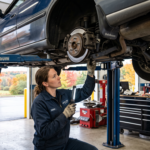
Figure 1: Comprehensive brake, rotor, and undercarriage inspections are vital before winter driving conditions arrive.
1. Electrical System & Battery Testing
Your vehicle’s battery works significantly harder when the thermometer drops. In sub-freezing conditions, a battery’s chemical reaction slows down, cutting its available cranking power substantially. At the same time, cold motor oil thickens, requiring the starter motor to draw significantly more amperage to turn over the engine.
Critical Battery Checkpoints
- Voltage & Cranking Capacity: A fully charged battery should register approximately 12.6 volts or higher when resting. Professional load testing determines whether the battery can hold sufficient charge under starting demands.
- Corrosion & Cable Connections: White, powdery corrosion around terminals creates electrical resistance, preventing proper charging from the alternator. Cleaning posts and tightening clamps ensures uninterrupted current flow.
- Age Assessment: Most automotive batteries deliver a reliable lifespan of three to five years. If your battery is entering its fourth autumn, replacing it proactively avoids cold-morning roadside emergencies.
If your headlights dim at idle or your engine cranks sluggishly during chilly mornings, scheduling an electrical check with our auto repair team in Kenosha will pinpoint whether the issue lies in the battery, alternator, or starter.
2. Brake System Inspection: Stopping Power on Slick Roads
Autumn roadways present unique traction hazards. Fallen wet leaves can be just as slick as ice, and early morning frost on bridges quickly tests your vehicle’s braking efficiency. A healthy brake system ensures predictable, straight-line stopping without pulling or vibration.
Key Components to Evaluate
- Brake Pads and Shoes: Friction material wears down gradually. If pads measure below 3–4 millimeters, replacement is essential before backing plates contact rotors.
- Rotors and Drums: Warped or grooved rotors cause steering wheel shudder during deceleration and increase stopping distances on damp pavement.
- Brake Fluid Condition: Brake fluid is hygroscopic, meaning it absorbs moisture from the atmosphere over time. Moisture lowers the boiling point of the fluid and promotes internal corrosion inside calipers and anti-lock braking system (ABS) modules.
For complete peace of mind before winter arrives, explore our full range of professional automotive services to keep your braking system responsive and safe.
3. Coolant, Antifreeze, and Fluid Level Flushes
Engine coolant does far more than prevent overheating during the summer; it protects your engine block and radiator from cracking under freezing winter temperatures while lubricating internal water pump seals.
Essential Autumn Fluid Services
- Antifreeze Freeze-Point Protection: A 50/50 mixture of fresh antifreeze and distilled water typically protects down to -34°F. Using a refractometer or hydrometer verifies whether your coolant concentration is adequate for Wisconsin winters.
- Engine Oil & Filter Change: Cold weather causes motor oil to flow more slowly at startup. Switching to the manufacturer-recommended winter viscosity ensures rapid lubrication to critical engine components.
- Transmission and Differential Fluids: Clean lubricants reduce friction in drivetrains, especially in all-wheel-drive (AWD) and four-wheel-drive (4WD) vehicles tackling snowy roads.
- Winter-Grade Windshield Washer Fluid: Standard summer washer fluid freezes in washer lines and reservoirs when temperatures dip below 32°F. Refilling with a de-icing formula rated for sub-zero conditions keeps your windshield clear of road grime and salt spray.

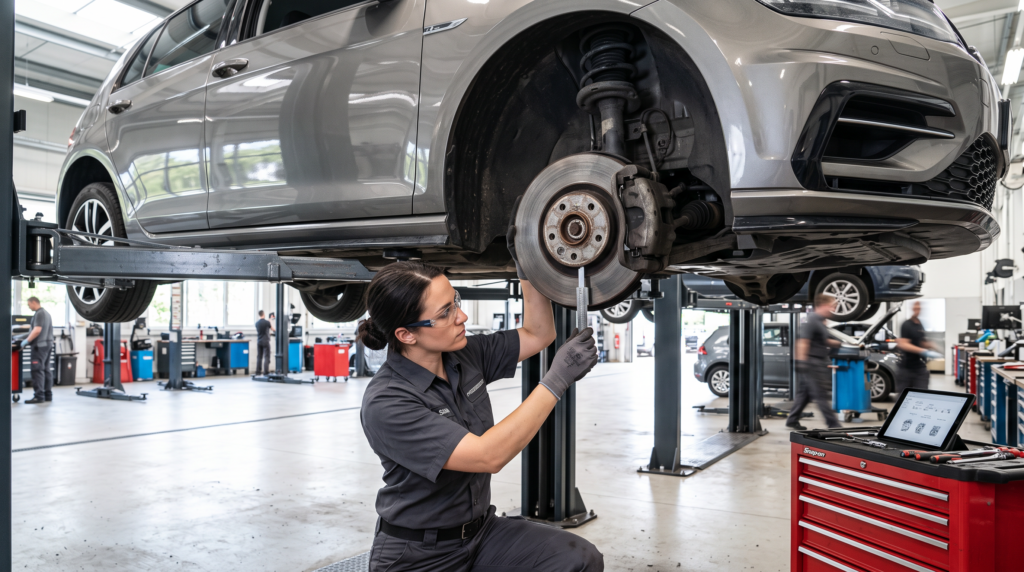
Figure 2: Advanced digital diagnostics and complete fluid checks ensure peak engine efficiency throughout the colder months.
4. Heating, Defrosting, and Cabin Air Filters
Clear visibility and passenger comfort depend directly on a properly functioning climate control system. Your vehicle’s defroster utilizes both the heater core and the air conditioning compressor to strip humidity from the cabin glass.
Common Heating System Issues
- Heater Core Restrictions: If your engine reaches operating temperature but the vents blow lukewarm air, a clogged heater core or stuck blend door actuator could be the culprit.
- Thermostat Operation: A thermostat stuck in the open position prevents the engine from reaching optimal operating temperature, reducing heater output and hurting fuel efficiency.
- Cabin Air Filter Replacement: A clogged cabin air filter restricts airflow across the blower motor, slowing down windshield defogging and allowing dust and allergens to circulate inside the cabin.
5. Tires, Alignment, and Suspension Inspection
Tires are the only contact point between your vehicle and the roadway. As ambient temperatures drop, tire pressure decreases by roughly 1 to 2 PSI for every 10-degree drop in outside temperature.
Suspension and Tire Checklist
- Tread Depth & Condition: Minimum safe wet-weather tread depth is 4/32 inch. Using the penny or quarter test ensures your tires can channel slush and water away from the contact patch.
- Tire Rotation: Regular rotation every 5,000 to 7,000 miles promotes even tread wear, extending the lifespan of your tire set.
- Wheel Alignment: Potholes and uneven summer road surfaces knock wheels out of alignment, causing uneven tread wear and pulling to one side.
- Struts, Shocks, and Bushings: Worn suspension parts compromise tire contact with uneven roads, lengthening braking distances and reducing stability in windy conditions.
If you suspect uneven tire wear or notice handling issues, you can easily request an inspection appointment to have our certified technicians inspect your steering and suspension systems.
6. Exterior Lighting, Wiper Blades, and Safety Prep
With daylight saving time ending and shorter autumn days ahead, commuting in low-light and rainy conditions increases. Being seen by other motorists is just as critical as seeing the road ahead clearly.
Quick Safety Checklist
- Headlights and Fog Lights: Check high and low beams for burnt-out bulbs. If plastic lenses are yellowed or hazy, clarity restoration dramatically increases nighttime visibility.
- Brake and Tail Lights: Confirm all rear lighting functions properly, including high-mount third brake lights and turn signals.
- Wiper Blade Replacement: Summer heat oxidizes wiper rubber, causing streaking and skipping during heavy rain. Installing heavy-duty winter wiper blades ensures a clean sweep across the windshield.
Tailored Solutions for Kenosha Drivers
Every driver has different daily driving habits and vehicle requirements. Here is how you can prioritize your October vehicle maintenance based on your routine:
- Daily Highway Commuters: Focus on tire tread depth, high-speed wheel balance, fresh synthetic engine oil, and windshield washer fluid capacity.
- Short-Distance City Drivers: Prioritize battery charging health and exhaust system checks, as short trips prevent batteries from fully recharging and allow moisture to build up in exhaust pipes.
- High-Mileage & Fleet Vehicles: Implement comprehensive multi-point inspections covering drivetrain fluids, brake pads, cooling systems, and suspension components.
- Older & High-Mileage Vehicles: Check belts, rubber coolant hoses, spark plugs, and gasket seals for early signs of brittleness or fluid seepage.
Why Choose Moreno Auto Service & Repair
At Moreno Auto Service & Repair, we believe in honest communication, meticulous workmanship, and transparent recommendations. Located conveniently at 3102 22nd Avenue in Kenosha, WI, our family-owned facility combines modern diagnostic technology with years of hands-on mechanical expertise.
We treat every car as if it belonged to our own family. Our technicians take the time to explain necessary repairs clearly, provide honest estimates, and prioritize services that protect your safety and your budget. Read our verified customer feedback and reviews to discover why Kenosha motorists trust us for reliable, long-term automotive maintenance.
Frequently Asked Questions
When should I switch to winter wiper blades in Wisconsin?
October is the ideal time to install beam-style or winter-rated wiper blades. These blades feature a protective rubber boot or one-piece frame that prevents ice and snow buildup from freezing the blade hinges.
Why does my low tire pressure warning light turn on during cold October mornings?
Colder air contracts, reducing the pressure inside your tires by about 1 to 2 PSI for every 10°F drop in temperature. Checking and inflating your tires to the door-jamb specification will clear the light and maintain safe traction.
How often should automotive coolant be tested and replaced?
Coolant should be tested annually for freeze point and pH balance. Most manufacturers recommend a complete cooling system drain and flush every 30,000 to 60,000 miles or every 3 to 5 years, depending on fluid chemistry.
What are the symptoms of a failing car battery before it dies completely?
Common warning signs include sluggish engine cranking upon startup, flickering interior or dashboard lights, clicking noises when turning the key, and visible corrosion buildup around the battery terminals.
Summary & Next Steps
Preparing your vehicle in October ensures that when freezing winter weather arrives in Kenosha, your car starts reliably, handles smoothly, and stops safely. Preventative care protects your wallet from expensive emergency repairs and keeps your family safe on the road.
Ready to get your vehicle in peak condition for the months ahead? Contact our friendly team today to schedule your comprehensive fall maintenance inspection at Moreno Auto Service & Repair.
Blog & SEO Metadata
| Field | Details |
|---|---|
| Meta Title | Half-Finished Software Project? How Codebase Rescues Work |
| Meta Description | Stuck with unfinished software? Learn how codebase rescues work, what to gather first, when to fix or rebuild, and what a rescue costs in Ontario. |
| URL Slug | /half-finished-software-project-codebase-rescue/ |
| Primary Keyword | software project rescue |
| LSI Keywords | codebase rescue, abandoned software project, take over software project, inherited codebase, code audit, fix or rewrite software, unfinished app development, custom software development London Ontario, software developer quit mid project, legacy code takeover |
| Alt Text | Developer reviewing an unfinished software codebase on two monitors during a project rescue audit |
| Alt Text | Software development team collaborating during a technical code audit and project rescue planning session |
| Article Schema | Mark the page as an Article (BlogPosting) with the H1 as the headline, add the meta description as the description, set the publisher name to AppendX Digital with the homepage URL and logo, add the author, the publish date (October 2026), the date modified, and the featured image URL with its alt text. |
| FAQ Schema | Add FAQPage markup to the Frequently Asked Questions section. Enter each of the five questions exactly as written in the headings, and paste its full answer paragraph as the matching answer text. Do not add questions to the markup that are not visible on the page. |