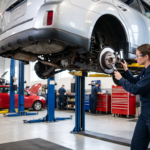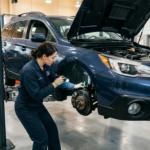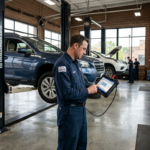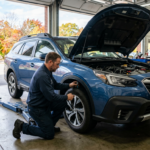
Executive Summary: Autumn in Southeastern Wisconsin brings fluctuating temperatures, damp roadways, and the impending challenge of harsh winter driving conditions. Completing seasonal vehicle maintenance in early autumn protects vital mechanical systems, prevents unexpected roadside breakdowns, and ensures your vehicle remains reliable all season long. This comprehensive guide outlines the critical inspections and preventive services every driver in Kenosha needs before winter arrives.
Key Takeaways for Kenosha Drivers
- Battery health declines before freezing temperatures hit: Summer heat weakens internal battery components, leaving your vehicle susceptible to sudden failure during the first seasonal cold snap.
- Tire traction and braking safety: Wisconsin state regulations require at least 2/32-inch tire tread depth, but safe wet and snowy traction demands a minimum of 4/32 to 5/32 inches.
- Fluids and heating systems: Fresh engine oil, proper coolant mixture protection, and clear wiper systems are essential for engine longevity and safe driving visibility.
Key Questions Answered for Local Vehicle Owners:
What is the most critical fall car service? A comprehensive battery load test combined with brake and tire inspections offers the highest protection against autumn breakdowns.
How often should auto repair inspections happen in Kenosha, Wisconsin? Semi-annual multi-point inspections in spring and fall keep vehicles tuned for regional climate extremes.
The Seasonal Shift: Why Southeastern Wisconsin Roads Demand Early Fall Auto Care
As summer fades across Lake Michigan, drivers in Kenosha, WI experience significant shifts in weather, road surface friction, and vehicle demands. Cool morning temperatures, falling wet leaves, and sudden rainstorms reduce highway traction on routes like Green Bay Road, 22nd Avenue, and Interstate 94. Waiting until the first major snowfall to schedule automotive service often leads to long repair delays, compromised vehicle safety, and costly repairs that could have been avoided with proactive care.
Automotive components endure intense stress during humid summer months. High ambient heat accelerates the evaporation of battery electrolyte fluids, degrades rubber components such as belts and wiper blades, and thins out aging lubricants. Addressing these vulnerabilities during September and October restores reliability, maximizes fuel economy, and protects your investment.
The Essential Fall Vehicle Maintenance Checklist
Following a systematic inspection routine guarantees that no critical safety system is overlooked. Here is the step-by-step checklist recommended by experienced automotive professionals.
1. Electrical System & Battery Load Testing
A vehicle battery loses significant cranking power as ambient temperatures drop. While an aging battery might turn an engine over during mild 70-degree afternoons, cold mornings require up to 50% more starting power. Professional digital battery testing measures cold cranking amps (CCA), internal resistance, and the health of the charging alternator.
- Terminal inspection: Clean corrosion, scale, and acid deposits from terminal posts and cables to ensure continuous electrical contact.
- Alternator and starter check: Verify that the charging voltage sits steadily between 13.8V and 14.5V under full accessory load.
- Age assessment: If your battery is more than three to four years old, consider proactive replacement before severe sub-freezing days arrive.
2. Braking System Performance & Fluid Health
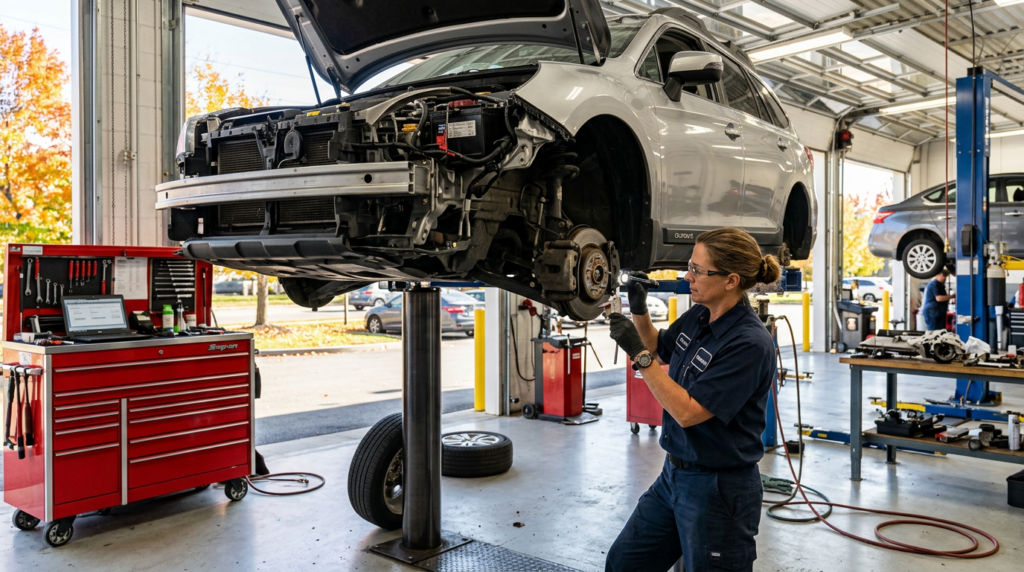
Braking distances increase substantially on damp, leaf-covered streets and frosty morning pavement. A complete brake inspection evaluates every component responsible for bringing your vehicle to a safe, controlled stop.
- Brake pads and shoes: Check friction material thickness. Pads measuring less than 3mm require immediate replacement.
- Rotors and drums: Inspect for uneven wear, scoring, rust grooves, or heat warping that causes pedal pulsation.
- Brake fluid condition: Brake fluid is hygroscopic, absorbing moisture over time which lowers its boiling point and causes internal corrosion in calipers and ABS valves.
3. Tire Inspection, Tread Depth & Pressure Monitoring
Your tires are the only contact point between your vehicle and the road. Proper tread depth and air pressure are paramount for channeling slush and water away from the tire footprint to prevent hydroplaning.
| Tread Depth Measurement | Tire Condition Status | Recommended Action |
|---|---|---|
| 6/32 inch or greater | Good Condition | Rotate tires every 5,000 to 7,500 miles. |
| 4/32 to 5/32 inch | Moderate Wear | Plan for replacement before winter precipitation. |
| 2/32 inch or less | Legally Bald / Unsafe | Immediate replacement required by Wisconsin law. |
Remember that tire pressure drops approximately 1 PSI for every 10-degree decrease in outside temperature. Check your tire pressure at least once a month using a reliable gauge, referencing the manufacturer placard inside the driver-side door jamb.
4. Cooling System & Antifreeze Protection
Engine coolant serves a dual purpose: preventing internal engine boil-over in summer and stopping frozen cylinder blocks, cracked radiators, and ruptured heater cores in winter. A proper 50/50 mixture of antifreeze and distilled water provides freeze protection down to -34°F while safeguarding aluminum engine components from galvanic corrosion.
5. Oil & Filter Service
Engine oil lubricates, cools, and cleans precision moving parts. Cold weather causes oil to thicken, increasing resistance during cold engine starts. Switching to the vehicle manufacturer’s recommended winter-weight synthetic oil ensures immediate flow and protection upon ignition.
Tailored Auto Repair Solutions for Every Driver
Different vehicles and driving habits require specific attention during the seasonal transition:
- Daily Commuters: Focus on brake responsiveness, fuel system efficiency, and wiper blade replacement for clear visibility in heavy commuter traffic.
- Light Trucks & Commercial Fleets: Prioritize suspension checks, differential fluid exchanges, and transmission inspections under heavy payload conditions.
- Family SUVs & Minivans: Ensure heating and defrosting vents operate properly, cabin air filters are fresh, and all exterior lighting is crystal clear.
- High-Mileage Vehicles: Inspect serpentine belts, radiator hoses, and exhaust piping for rust or fatigue before road salt season begins.
Why Choose Moreno Auto Service & Repair in Kenosha, WI
Finding a trusted local mechanic makes all the difference when maintaining your family vehicle or work truck. At Moreno Auto Service & Repair, located at 3102 22nd Avenue in Kenosha, Wisconsin, our team provides honest, reliable, and high-quality automotive repair services backed by transparent communication.
Whether your vehicle requires comprehensive diagnostics, routine brake repair, suspension adjustments, or seasonal fluid flushes, our skilled technicians explain every recommendation clearly so you feel confident in your vehicle’s safety and performance.
Frequently Asked Questions
When should I schedule fall auto maintenance in Kenosha?
Late September through October is the ideal window. Scheduling before sub-freezing temperatures arrive allows technicians to detect and address worn parts before cold weather exacerbates mechanical wear.
Why do my brakes squeak more in the fall?
High humidity, overnight dew, and temperature swings cause microscopic surface rust to form on brake rotors overnight, producing a temporary squeak during initial stops. If squealing or grinding persists, your brake pads may need replacement.
How do cold mornings affect my tire pressure sensor (TPMS)?
Because air contracts in colder temperatures, your tire pressure drops overnight, often triggering the dashboard TPMS warning light. Adjusting tires to the recommended cold tire pressure resolves the warning and preserves even tread wear.
What should I keep in my vehicle emergency kit?
Carry heavy-duty jumper cables, a digital tire pressure gauge, an LED flashlight, a snow brush with ice scraper, basic hand tools, warm gloves, and a portable phone charging bank.
Prepare Your Vehicle for the Road Ahead
Proactive fall vehicle maintenance saves money, extends your automobile’s operational life, and gives you total peace of mind on the road. Don’t wait for winter weather to test your vehicle’s limits. Trust Moreno Auto Service & Repair in Kenosha, WI for thorough diagnostics, honest advice, and dependable auto repair that keeps your car running smoothly throughout every season.