Freezing temperatures, road salt, and lake-effect snow along Lake Michigan put immense stress on every vehicle system. If you are searching for dependable auto repair near Kenosha, Wisconsin, United States, taking proactive steps before winter weather settles in can prevent costly roadside breakdowns and keep your daily commute safe.
Executive Summary: Cold Midwestern weather places intense demands on car batteries, braking systems, tire pressure, and engine fluids. Performing seasonal preventative maintenance ensures reliable morning starts and safe handling on icy Kenosha roads. Addressing warning signs early protects your vehicle investment and safeguards your family all winter long.
Key Takeaways (TL;DR)
- Battery & Electrical Check: Sub-freezing temperatures cut battery output significantly; testing capacity early prevents sudden no-start situations.
- Braking & Suspension Safety: Reliable traction and responsive stopping power are critical when navigating slush and black ice across Kenosha.
- Fluid & Tire Pressure Maintenance: Cooler air drops tire PSI quickly while coolant and clean motor oil protect your engine block from freezing conditions.
Why Wisconsin Winters Demand Early Preventative Auto Repair
Wisconsin winters are notoriously unforgiving on vehicles. When the thermometer dips below freezing, motor oil thickens, tire pressure contracts, and electrical components work twice as hard to turn over the engine. Drivers in Kenosha frequently face slick roadways along Highway 50, Green Bay Road, and Sheridan Road where compromised brakes or worn suspension parts can quickly lead to loss of control.
Scheduling a thorough seasonal inspection at a trusted local shop ensures that minor wear and tear is identified before it turns into an expensive emergency repair in freezing weather.
The Rise of Cold-Weather Diagnostics: Key Vehicle Systems to Inspect
Modern vehicles rely heavily on interconnected computer sensors and electronic modules that are sensitive to severe temperature swings. Understanding the key problem areas helps car owners stay ahead of winter breakdown risks:
1. Battery Strength and Charging System
At 32 degrees Fahrenheit, a standard car battery loses roughly 35% of its starting power, and that loss jumps to over 50% when temperatures drop below zero. Routine testing of your battery voltage, alternator output, and terminal connections ensures your vehicle starts reliably during icy mornings.
2. Brake Pads, Rotors, and Hydraulic Fluid
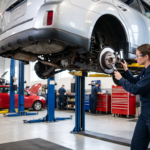
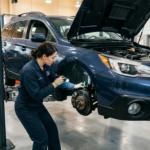
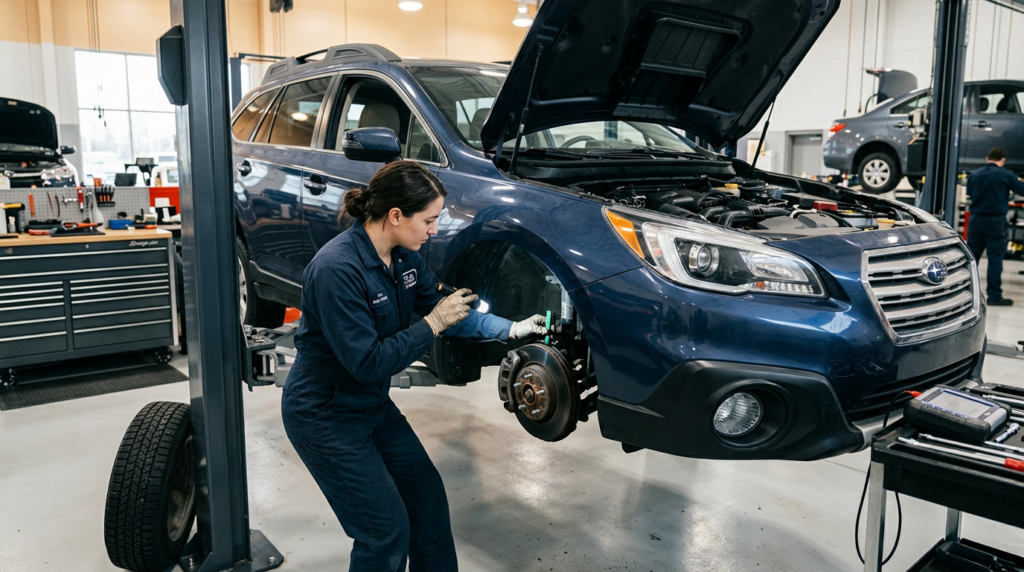
Winter stopping distances multiply on slick or snow-packed streets. Moisture and road de-icing chemicals accelerate corrosion on brake calipers and rotors. A detailed brake inspection and repair guarantees that your stopping power remains balanced and predictable.
3. Tire Tread Depth and Cold-Weather Pressure
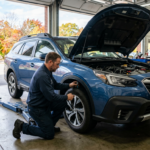
Tire pressure typically drops 1 to 2 PSI for every 10-degree drop in outside temperature. Inspecting tire tread depth ensures adequate channeling of slush and water to maintain traction. Maintaining proper inflation protects tire longevity and fuel efficiency.
4. Vital Engine Fluids and Coolant Protection
Engine coolant does not just prevent overheating in summer; it contains anti-freeze agents that protect engine blocks from freezing and cracking. Ensuring proper fluid levels, clean synthetic oil with optimal winter viscosity, and fresh wiper fluid formulated for sub-zero temperatures is essential for clear visibility and smooth operation.
Winter Vehicle Care in Practice: Actionable Checklist for Drivers
Preparing your car does not need to be complicated. Here is a practical checklist every driver can follow:
- Test the battery: Have a certified technician check your battery reserve capacity if it is more than three years old.
- Inspect all exterior lighting: Ensure headlights, taillights, and turn signals are bright and clear during dark winter commutes.
- Replace wiper blades: Upgrade to heavy-duty winter wiper blades that resist snow and ice buildup.
- Check tire inflation monthly: Measure tire PSI when tires are cold and inflate to the manufacturer specifications found on the driver door jamb.
- Pack an emergency kit: Keep jumper cables, a flashlight, warm gloves, a snow brush, and a portable phone charger in your trunk.
Tailored Solutions for Different Commuters and Vehicles
Different vehicles and driving habits require specific cold-weather maintenance strategies:
- Daily Highway Commuters: Prioritize front-end alignment, suspension checks, and windshield wiper integrity to manage high-speed winter spray and pavement ruts.
- Short-Distance City Drivers: Frequent short trips prevent the battery and engine from reaching full operating temperature, making regular oil changes and battery health checks especially critical.
- SUVs and All-Wheel-Drive Vehicles: AWD and 4WD systems require differential and transfer case fluid checks to ensure seamless traction engagement when snow accumulates.
- High-Mileage Vehicles: Inspect serpentine belts, heater cores, and radiator hoses for stiffness or cracks that could fail under sudden cold snaps.
Why Drivers Trust Moreno Auto Service in Kenosha
Finding trustworthy auto repair near me in Kenosha means choosing a neighborhood shop dedicated to transparency, honest assessments, and quality craftsmanship. At Moreno Auto Service & Repair (located at 3102 22nd Avenue, Kenosha, WI), our team provides comprehensive vehicle diagnostics, check engine light inspections, brake repairs, suspension services, and routine maintenance tailored to Midwestern driving conditions.
We take pride in explaining necessary services in clear, everyday terms so you can make informed decisions about your vehicle. Whether you need a quick pre-winter inspection, an oil service, or complete brake system restoration, our technicians ensure your vehicle is safe and dependable for the season ahead.
Frequently Asked Questions About Winter Car Care
How often should I check my tire pressure during winter in Kenosha?
You should check your tire pressure at least once a month and before long trips. Because cold air reduces air volume inside tires, checking inflation regularly ensures safe handling and optimal fuel economy.
Why does my check engine light come on in cold weather?
Cold temperatures can trigger check engine lights due to low battery voltage, faulty oxygen sensors, thermostat issues, or loose fuel caps contracting in the cold. A diagnostic scan will pinpoint the exact code.
When should I replace my vehicle battery before winter?
If your battery is over three to four years old or your engine cranks slowly on chilly mornings, have it tested immediately. Replacing a weak battery ahead of time avoids unexpected roadside no-starts.
How do freezing temperatures affect brake performance?
Moisture, road salt, and slush can cause surface rust on rotors and stickiness in brake calipers. If you hear squealing, grinding, or feel vibrations during braking, schedule an inspection right away.
Get Winter-Ready with Moreno Auto Service
Don’t wait for the first major Wisconsin snowstorm to find out if your car is ready for winter driving. Visit Moreno Auto Service & Repair to schedule your comprehensive seasonal maintenance and brake inspection today, or stop by our Kenosha shop on 22nd Avenue to keep your vehicle running safely all season long.