Executive Summary: Autumn in southeastern Wisconsin brings rapid temperature fluctuations, slick leaf-covered streets, and early morning frosts that test every vehicle system. Investing in comprehensive fall car maintenance in Kenosha ensures your battery, brakes, tires, and heating system perform reliably before harsh winter conditions arrive. This complete checklist details the essential vehicle inspections and preventative services needed to stay safe on the road while avoiding costly emergency repairs.
Completing your fall car maintenance in Kenosha is the most effective way to protect your vehicle from seasonal breakdowns. When summer temperatures fade into chilly autumn mornings along Lake Michigan, minor component wear quickly turns into major mechanical failure. Taking proactive steps today ensures dependable transportation through the cooler months ahead.
Key Takeaways for Autumn Driving
- Battery Health Is Time-Sensitive: Summer heat weakens internal battery plates, leading to sudden morning starting failures as autumn temperatures drop below 45 degrees.
- Traction and Stopping Distance Change: Wet autumn foliage and colder pavement require at least 4/32-inch tire tread depth and fully responsive brake friction components.
- Fluid Condition Determines Reliability: Fresh engine oil, balanced engine coolant, and freeze-resistant washer fluid prevent cold-weather engine strain and visibility hazards.
Key Questions Answered for Local Drivers:
- Why is fall car maintenance in Kenosha essential? Colder autumn weather stresses aging batteries, drops tire pressure, and reduces stopping grip on slick roads.
- When should vehicle fluids be checked for fall? Inspect engine oil, coolant strength, transmission fluid, and brake fluid before temperatures consistently drop below freezing.
- How does cold weather affect tire pressure? For every 10-degree drop in outside temperature, tire inflation decreases by roughly 1 to 2 PSI.
The Rise of Seasonal Preventive Maintenance: Why Autumn Auto Care Saves Thousands
Modern vehicles contain complex mechanical and electronic systems that react sharply to ambient environmental shifts. As seasonal weather patterns fluctuate across the Midwest, drivers face a distinct combination of heavy rain, falling leaves, and freezing night temperatures. Proactive motorists who schedule routine seasonal inspections consistently avoid the steep expenses associated with emergency towing, engine overheating, and premature brake rotor replacement.
According to SmartFinancial’s seasonal maintenance guide, addressing wear items during mild autumn weather costs a fraction of roadside breakdown assistance. Ignoring early warning signs during September and October often accelerates wear across connected components. For example, driving with worn wiper blades scratches the windshield glass, while running low on anti-freeze risks catastrophic engine block cracking during the first hard frost.
Vehicle owners searching for reliable auto repair in Kenosha benefit from addressing small issues before they escalate. A thorough multipoint fall inspection uncovers hidden concerns such as loose serpentine belts, minor suspension play, and degraded rubber seals that struggle under cold weather stress.
Critical Fall Vehicle Checks in Practice: From Battery Load Tests to Brake Pad Wear
Executing a reliable autumn vehicle inspection requires attention to five primary automotive systems. Focusing on these areas guarantees optimal safety, road grip, and mechanical efficiency throughout the changing season.
1. Electrical System and Battery Testing
Summer heat is the primary culprit behind internal car battery corrosion and electrolyte evaporation. When autumn temperatures decline, an already compromised battery requires up to 50 percent more power to turn over a cold engine. Technicians utilize specialized load testers to measure cold cranking amps (CCA) and charging system output. If your battery is over three years old or struggles during morning starts, replacing it prevents unexpected stranding.
2. Tire Tread, Alignment, and Pressure Management
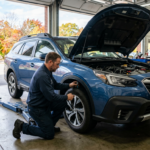
Tires provide the sole point of contact between your car and slick asphalt. Wet fallen leaves create slippery road conditions comparable to driving on ice. Follow guidelines from Consumer Reports auto care guidelines to measure tread depth using a simple coin test or depth gauge. Maintaining proper tire pressure also prevents uneven wear patterns and ensures your tire pressure monitoring system (TPMS) stays accurate.
3. Brake System Evaluation and Pad Replacement
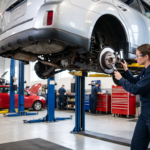
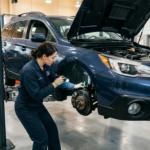
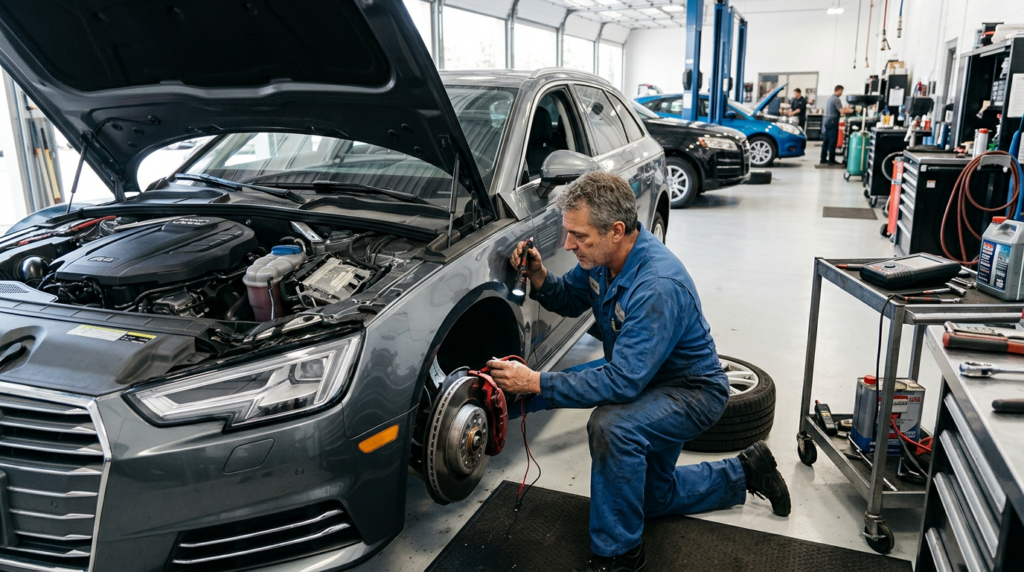
Responsive braking is non-negotiable when driving on rain-slicked roadways. A complete brake service includes measuring brake pad friction thickness, inspecting rotors for surface scoring, and checking brake fluid moisture levels. Brake fluid absorbs moisture over time, lowering its boiling point and causing a soft brake pedal during sudden stops. Fresh pads and clean fluid restore firm stopping power when you need it most.
4. Fluid Flush and Coolant Hydrometer Testing
Your vehicle relies on specialized chemical fluids to regulate heat, lubricate metal bearings, and facilitate smooth shifting. The table below outlines key fluids to evaluate during autumn:
| Fluid Type | Inspection Focus | Recommended Autumn Action |
|---|---|---|
| Engine Coolant (Antifreeze) | Freeze point protection and pH balance | Ensure 50/50 mix rating down to -34°F |
| Engine Oil | Viscosity and contaminant load | Perform an oil change with fresh filter |
| Windshield Washer Fluid | Freeze rating and clearing formula | Switch to all-season de-icing formula |
| Brake Fluid | Moisture content and clarity | Flush if moisture exceeds 2 percent |
5. HVAC Heating, Defroster, and Wiper Blade Operation
Clear visibility and cabin comfort depend directly on a properly functioning heating and ventilation system. Ensure the defroster directs airflow efficiently across the windshield without strange odors or blowing cold air. Replace aging wiper blades with heavy-duty silicone or beam-style blades that resist tearing against frost.
Tailored Solutions: Customizing Maintenance for Your Driving Habits
Every driver operates their vehicle under distinct conditions and mileage demands. Customizing your autumn maintenance approach ensures maximum vehicle protection and budget efficiency:
- Daily Highway Commuters: Prioritize wheel alignment, tire balance, and suspension bushing checks to maintain high-speed highway stability across wet roads.
- City and Short-Trip Drivers: Focus on battery charging output and motor oil condition, as short trips prevent the engine from reaching optimal operating temperature to burn off condensation.
- High-Mileage and Delivery Vehicles: Schedule comprehensive transmission service, brake pad inspections, and cooling system flushes every change of season.
- Family Vans and SUVs: Inspect cabin air filters, tire tread depth, and rear windshield defrosters to ensure child passenger safety and reliable defrosting.
Why Choose Moreno Auto Service & Repair for Your Vehicle Care in Kenosha
When searching for dependable auto repair near me, drivers across the community trust Moreno Auto Service & Repair. Located at 3102 22nd Avenue in Kenosha, WI, our family-owned and operated repair shop is dedicated to honest assessments, competitive pricing, and friendly customer care. We take the time to inspect your vehicle thoroughly, explain necessary services clearly, and help you make confident decisions about your car’s maintenance.
Whether you require an essential oil change, professional brake service, suspension work, or complete engine diagnostics, our technicians diagnose the root cause accurately the first time. We treat every customer vehicle like our own, delivering dependable results that keep you and your family safe on the road.
Frequently Asked Questions
How often should I change my car’s engine oil in the fall?
Most modern vehicles require an oil change every 5,000 to 7,500 miles when using full synthetic oil, or every 3,000 to 5,000 miles for conventional blends. Changing your oil before cold weather arrives ensures clean lubrication during cold engine starts.
Why are wet leaves on the road dangerous for driving?
Wet leaves form a slick layer that dramatically reduces tire traction, mimicking the slickness of sheet ice. Worn tire tread cannot channel the moisture away, resulting in increased stopping distances and a higher risk of skidding.
How do I know if my car battery needs replacement before winter?
Warning signs include slow engine cranking, dim headlights while idling, clicking sounds when turning the ignition key, or corrosion around battery terminals. A professional digital battery load test accurately determines your battery’s remaining life.
Can I mix different types of engine coolant in my car?
No, you should never mix different coolant colors or chemical formulations. Combining incompatible coolants can create a thick sludge that clogs the radiator and heater core, causing severe engine overheating.
Prepare Your Car for Safe Autumn Driving Today
Staying ahead of seasonal vehicle wear protects your investment and ensures peace of mind through every commute. Moreno Auto Service & Repair provides honest, expert automotive care for drivers throughout Kenosha, Wisconsin. Schedule your fall vehicle inspection today to keep your car operating safely and smoothly all season long.